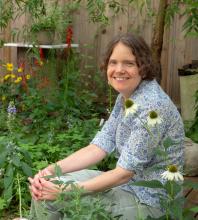
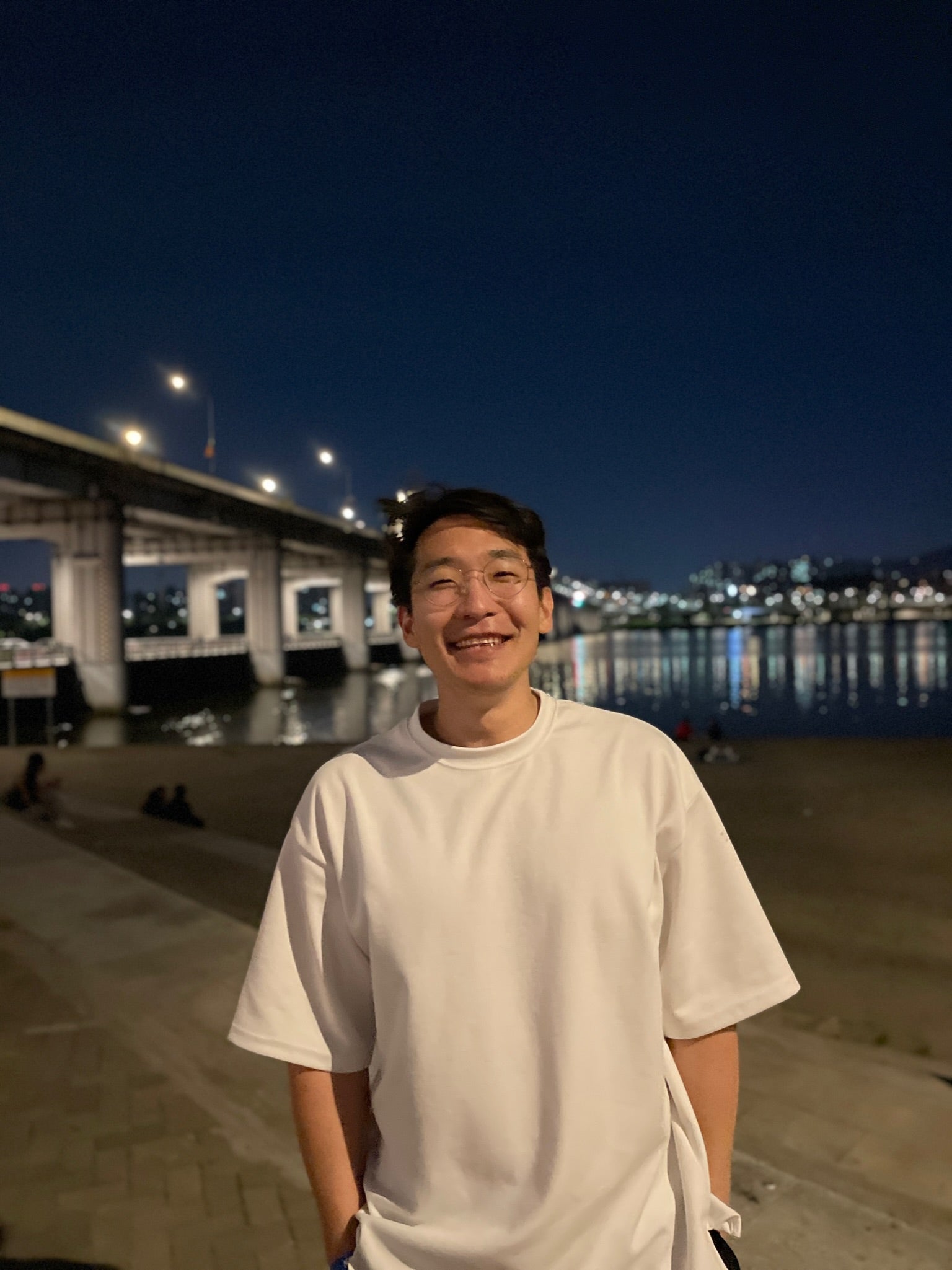
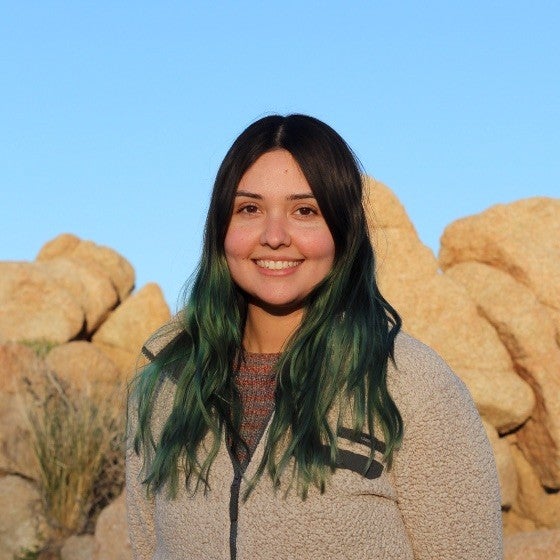
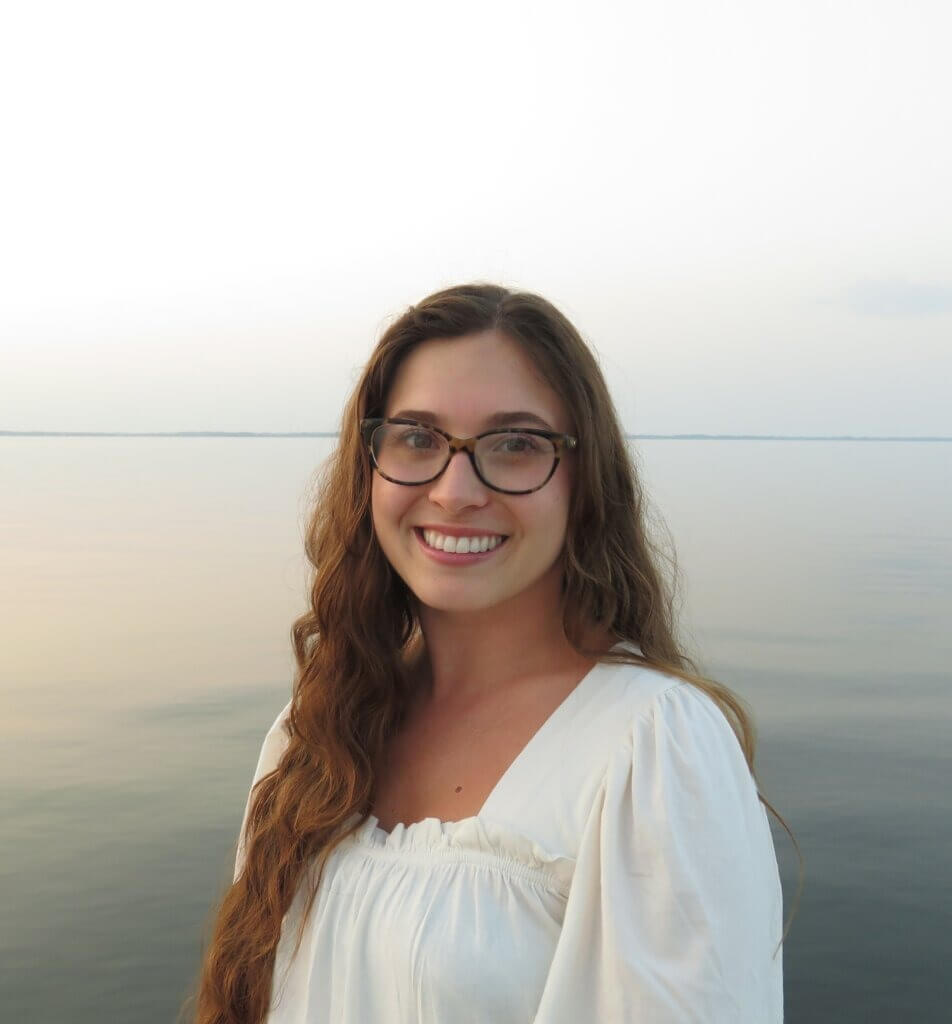
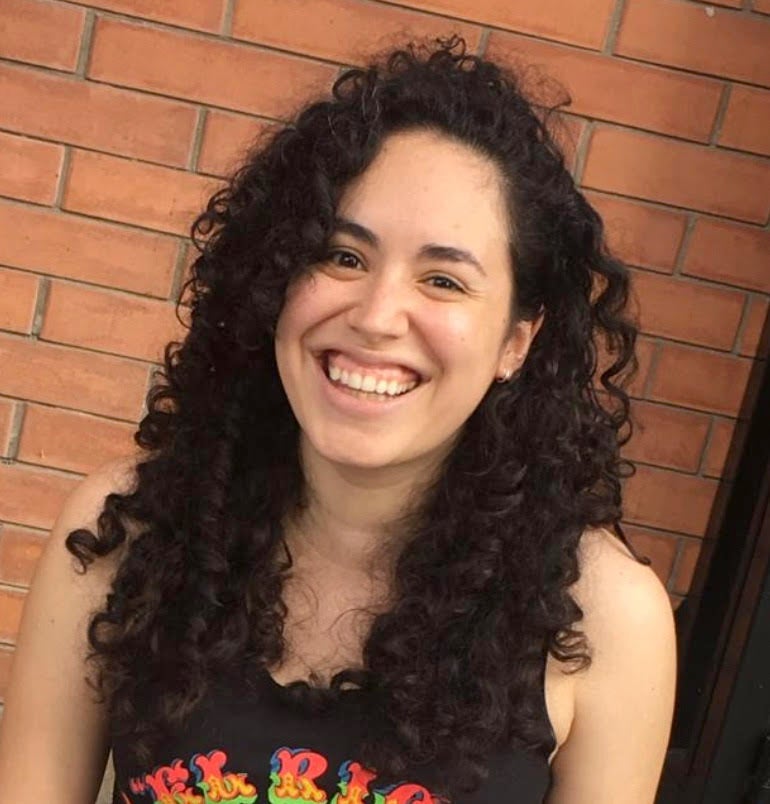
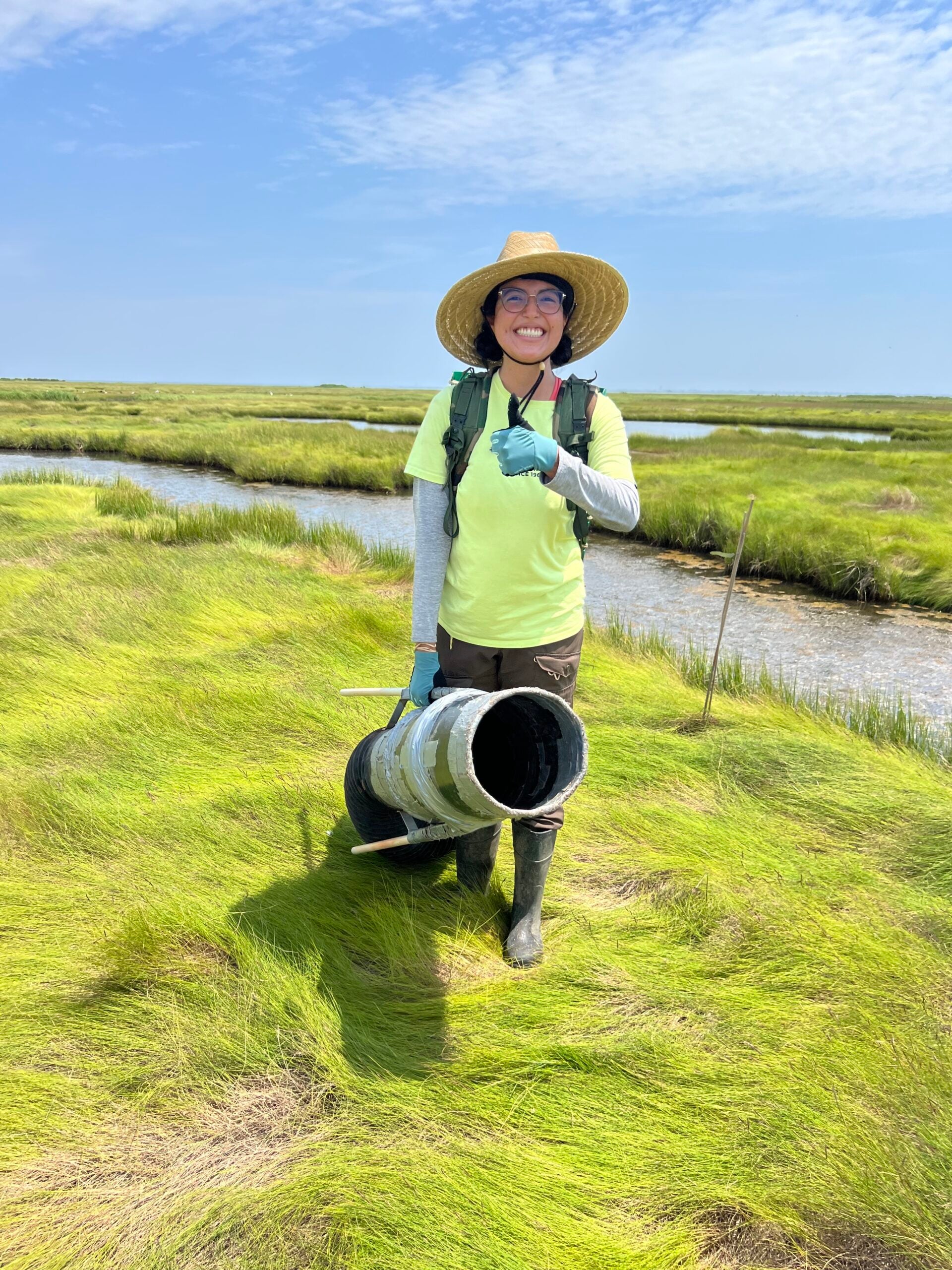
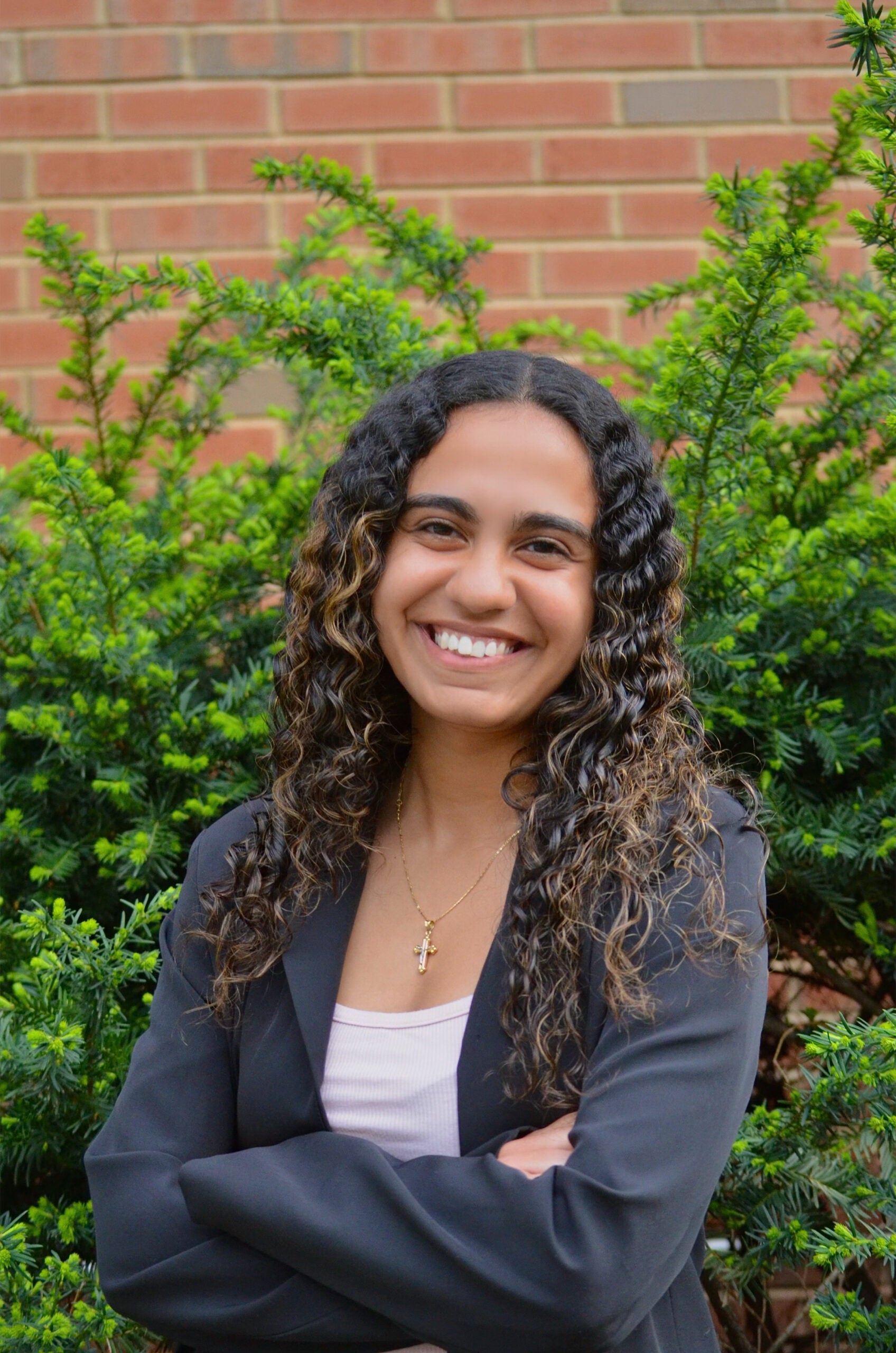
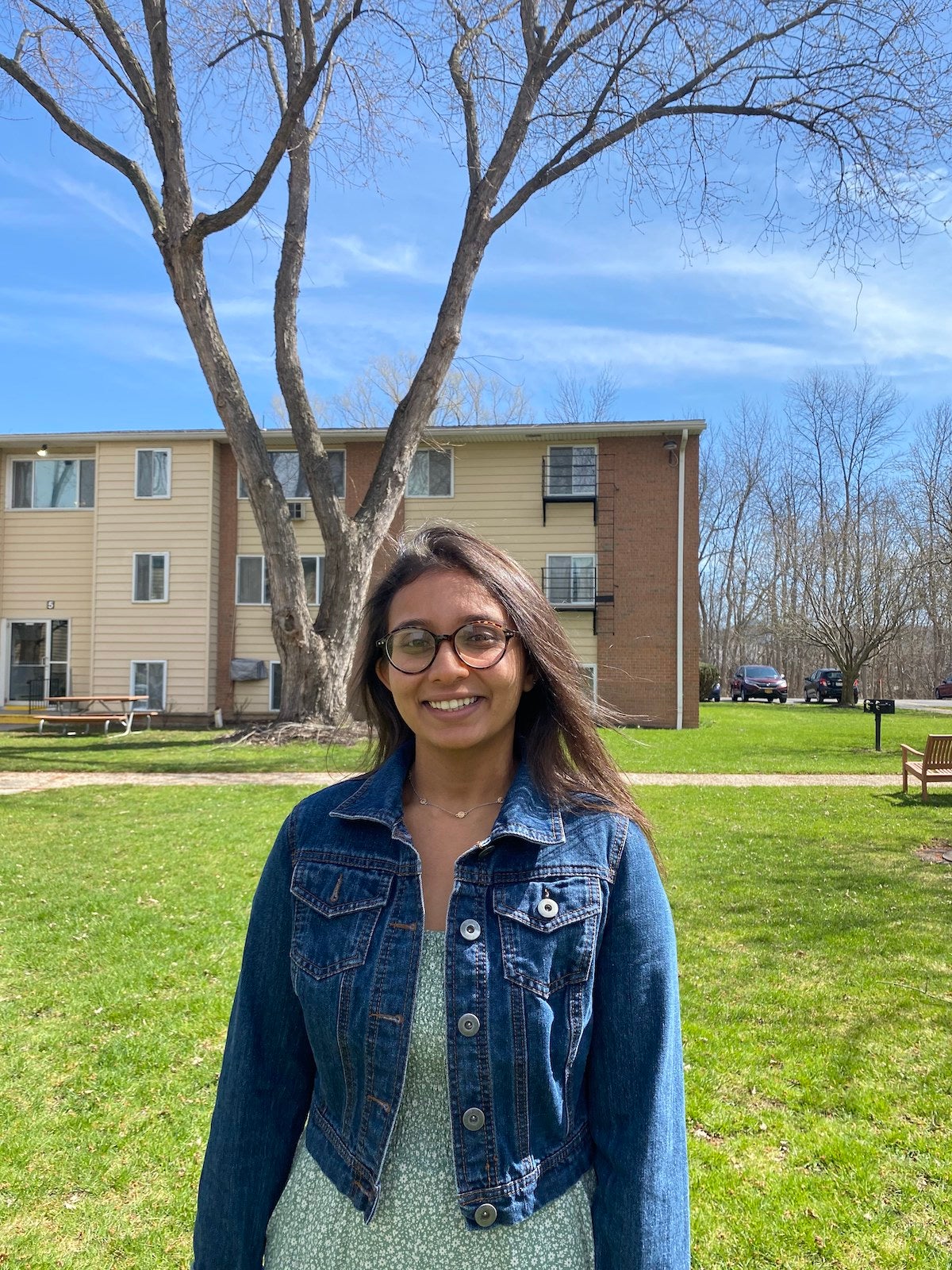
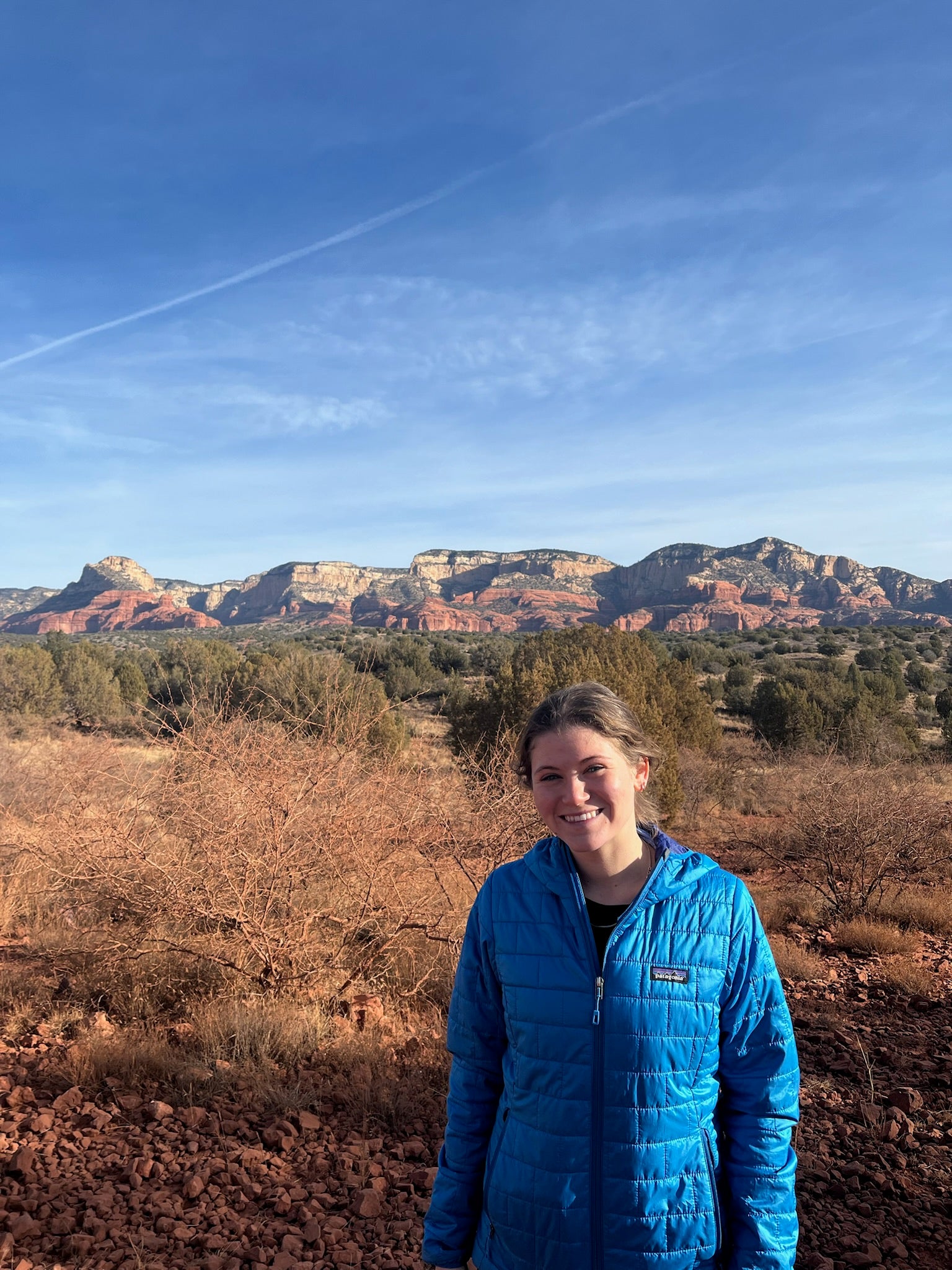
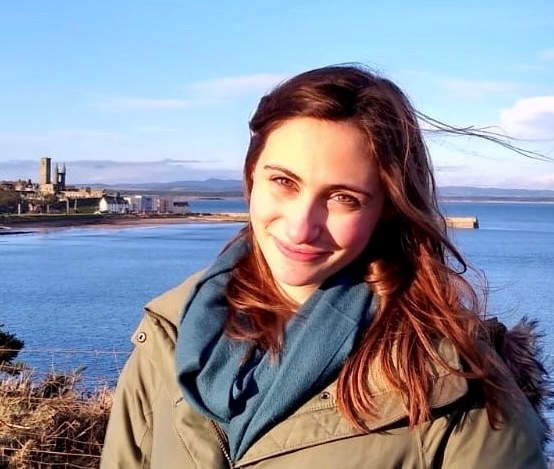
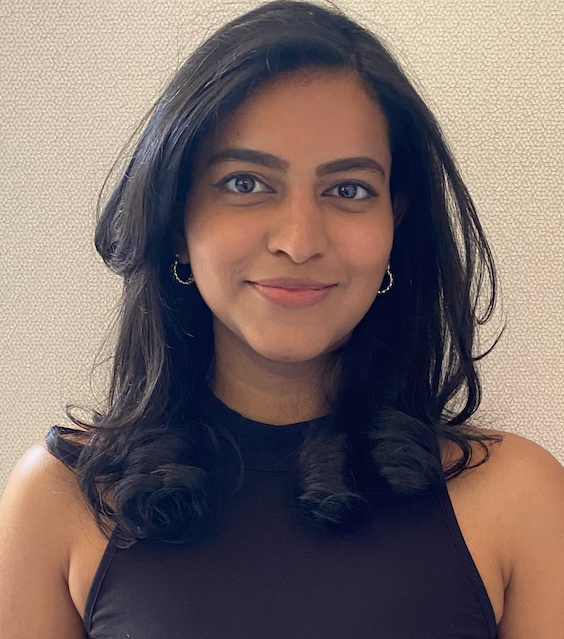
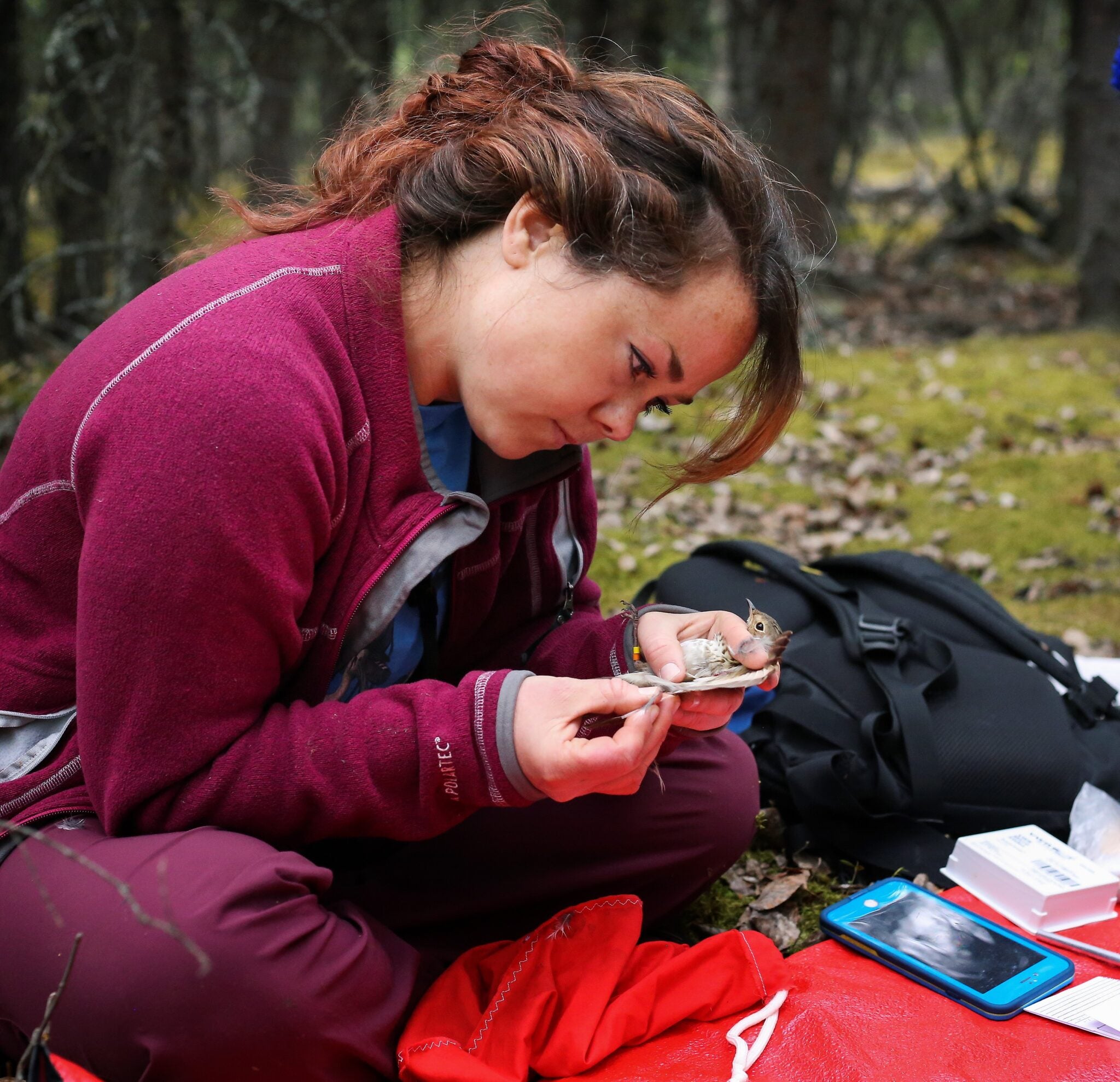
Meet our current graduate students. These brilliant minds are working on cutting-edge research in biology. Learn more about their research interests and contact information by scanning their name and image.
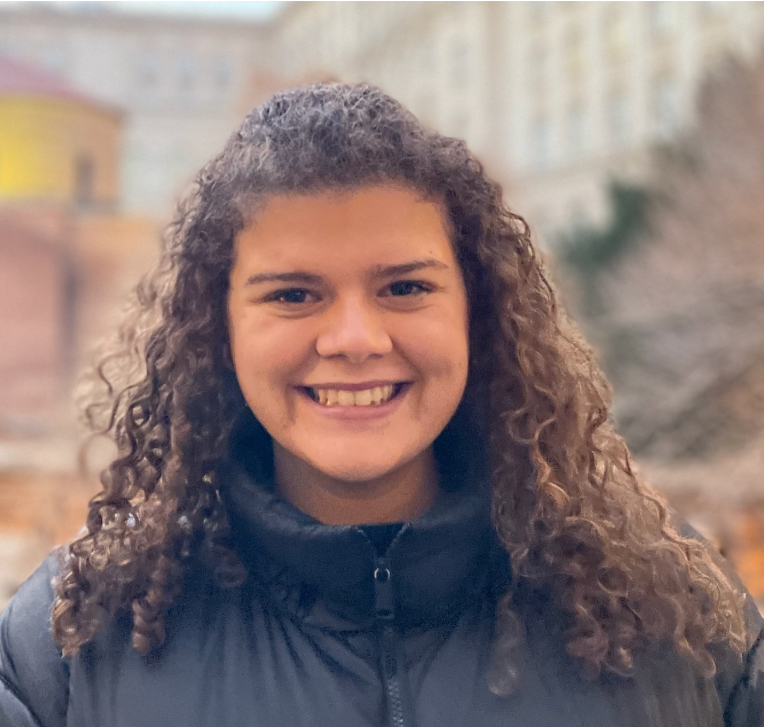
Diana Alvarado
Thesis research topic: Dolphin behavior Mentor: Dr. Janet Mann Email: dca51@georgetown.edu
Diana received a B.S. in Marine Biology from the University of California, Santa Cruz (UCSC) in 2019. At UCSC, she completed a thesis on validating drone photogrammetry to estimate mass in northern elephant seals, which was later published in Marine Mammal Science. After graduating, she worked as a research assistant for the Shark Bay Dolphin Project (SBDP), contributing to graduate research on reproductive behavior in bottlenose dolphins in Western Australia. In 2020, she took on roles as an instructor for the Catalina Environmental Leadership Program on Catalina Island, CA, and as a Staff Research Associate at UCSC. The following year, she joined the Point Blue Conservation Science Marine Laboratory as a research assistant, where she analyzed large marine predator diets and zooplankton samples to study marine food webs on the California coast. From 2022 to 2024, Diana worked at the Scripps Institution of Oceanography at the University of California, San Diego, serving as an administrative assistant for the Coastal Observing Research and Development Center and as the coordinator for the Marine Physical Laboratory Summer Internship Program. She is now a Ph.D. student in Biology at Georgetown, continuing her research with the SBDP on the behavioral ecology of bottlenose dolphins. Diana enjoys thrifting, watching movies, exploring restaurants, and spending time with her dog.
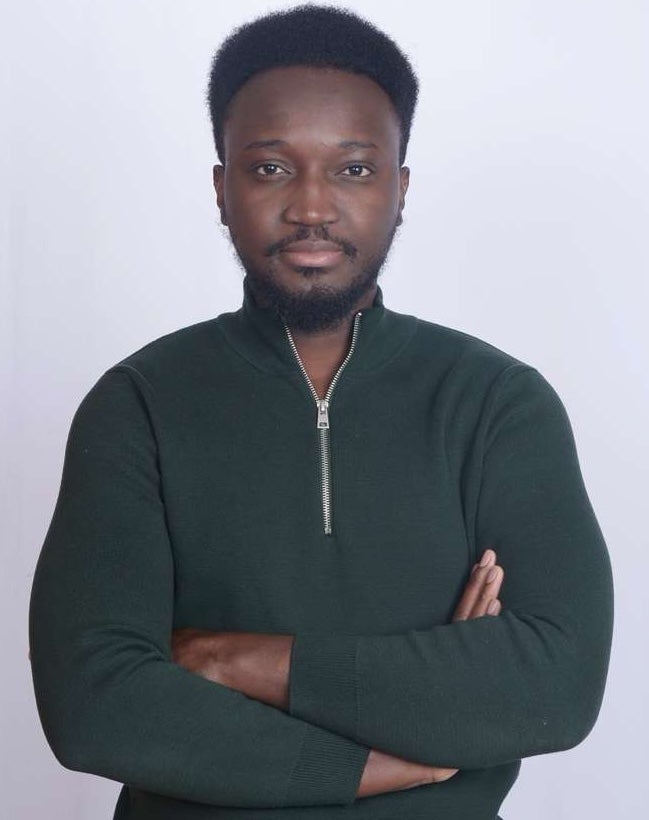
Benjamin Baah Konadu
Thesis Research Topic: Cellular and Molecular mechanisms of experience dependent plasticity Mentor: Dr. Haiyan He Email: bb1232@georgetown.edu
Benjamin holds a Doctor of Optometry (OD) degree from the Kwame Nkrumah University of Science and Technology, Ghana and is a student fellow with the American Academy of Optometry (AAO). Prior to joining the program, Benjamin worked as an optometrist at the Kumasi South Hospital and regional optometry outreach coordinator with Orbis International. He is an accredited badminton technical official and serves as the events director for the Ghana Badminton Association. Coming from a multidisciplinary background, his experience in public health research has provided an interdisciplinary foundation for his current neuroscience research. In the He lab, Benjamin currently studies the role of neuronal specific plasma membrane proteasomes in experience dependent plasticity. Aside from academics, Ben is a classically trained bass/baritone soloist and sings in his free time. He also loves badminton and plays chess.
Meghan Bullard
Thesis Research Topic: Experience-dependent synaptic plasticity Mentor: Dr. Jeffrey Huang Email: mrb339@georgetown.edu
Meghan graduated from Furman University in 2021 with a double major in Biology and German Studies. At Furman, she worked in the Freeman lab, which examines sexual differences in neuroinflammation, the gut microbiome, and behavior in response to a high fat diet. Her undergraduate thesis looked at sexual dimorphisms of microglia on a high fat, high sucrose diet in the hippocampus. She is passionate about bridging the gap between current scientific research and social issues with particular interest in the neurobiology of stress and experience. At Georgetown, she is excited to join the Huang lab. Her thesis research topic is related to remyelination and neuroprotection in a novel treatment for MS. In her free time, she enjoys biking, reading, traveling, and exploring the city.
Verena Conkin
Thesis Research Topic: Dolphin behavior Mentor: Dr. Janet Mann Email: vsl14@georgetown.edu
Verena is a Ph.D. student in Dr. Janet Mann’s lab. She graduated from Indiana University in 2017 with dual degrees in Biology (BS) and Theatre (BA) as well as a certificate in Underwater Resource Management. While at IU, she served as a research assistant and scientific diver with the Office of Underwater Science, focusing on the growth of endangered coral colonies on historic shipwrecks in the Dominican Republic. After graduating, Verena was a NOAA fellow at the Great Lakes Environmental Research Laboratory, and continued working in aquatic and marine sciences as a research assistant at the University of Vermont and Woods Hole Oceanographic Institution. Since joining the Mann lab at Georgetown in 2022, Verena’s research has focused on the interactions between the dolphin populations found in the lower Potomac River and Chesapeake Bay. When she’s not in the lab or on the boat, she enjoys cooking, live music, and hiking with her wife and their dog.
Alp Demirhan
Thesis Research Topic: Development of the neurons in the inner ear. Mentor: Dr. Thomas Coate Email: md1857@georgetown.edu
Alp is currently a Ph.D. student at Dr. Coate’s lab. He earned his BS in Audiology from the Baskent University in 2019 and has two M.S. degrees one from Ege University in Neuroscience and the other from the University of Wyoming in Zoology&Physiology. At Georgetown, he’s been focusing on inner ear neurobiology. In his spare time, Alp enjoys trying new restaurants, spending time with his friends, and traveling.
Annika graduated from California Polytechnic State University, San Luis Obispo (Cal Poly) in 2022 with a double major in Biology and Applied Mathematics. While at Cal Poly, she worked in the Liwanag lab studying southern sea otter fur morphology across development. In 2023, Annika earned her masters in Statistical Ecology from the University of St. Andrews, Scotland, where she did her thesis on the breeding emergence and recruitment of Isle of May grey seals using capture-recapture models. Her research interests include understanding the factors impacting fine-scale movements in dolphins. In her free time, Annika enjoys spending time outdoors, watching live music, and crafting.
Marcelle Ferreira
Thesis Research Topic: Gene expression patterns in Staphylococcus aureus Mentor: Dr. Shaun Brinsmade Email: mcf126@georgetown.edu
Marcelle got her B.S. in Pharmacy at the Federal University of Espirito Santo, Brazil in 2013, and, subsequently, her M.S. in Microbiology at the Federal University of Rio de Janeiro, Brazil, in 2015. Before coming to the US, she worked as a Pharmacist for 5 years at the Brazilian Army. Now she is a Ph.D. student in the Brinsmade Lab where she is interested in understanding how branched-chain fatty acids, and therefore, membrane composition, regulates virulence in Staphylococcus aureus through the Sae RS Two-Component System.
Deborah J. George
Thesis Research Topic: Development of the neurons in the inner ear. Mentor: Dr. Thomas Coate Email: djw103@georgetown.edu
Originally from Brookline, MA, Deb graduated from Virginia Polytechnic and State University in 2015 earning her B.S. in Animal and Poultry Sciences with a dual emphasis in livestock and equine science. In 2019, she received her M.A. in Biology from American University, working in computational genomics with Dr. John Bracht. There she performed genomic and transcriptomic studies on the thermophilic worm, Halicephalobus mephisto (“The Devil Worm”), revealing adaptation(s) to its sub-terrestrial environment involving elevated heat. She then worked for two years as a mouse breeder for NIH at Janelia Research Campus. She has now joined the lab of Dr. Thomas Coate, and aims to further understand the molecular mechanisms and guidance cues directing type II SGN turning and OHC innervation.
Mara Heilig
Thesis Research Topic: Mosquito habitat adaptation. Mentor: Dr. Peter Armbruster Email: mch284@georgetown.edu
Ellen R. Jacobs
Thesis Research Topic: Dolphin behavior. Mentor: Dr. Janet Mann Email: erj22@georgetown.edu
Ellen received her Bachelor’s in Ecology, Behavior, and Evolution from the University of California, San Diego in 2016, where she completed an honors thesis on density estimations of Cuvier’s beaked whales using passive acoustic monitoring with the Scripps Institution of Oceanography. After graduating, she worked as a research intern at the Monterey Bay Aquarium Research Institute, the Smithsonian Tropical Research Institute, and Woods Hole Oceanographic Institute. In 2019 she received her Master’s in Zoophysiology from Aarhus University in Aarhus, Denmark, where she did her thesis on the active space of sperm whale social calls. Ellen came to Georgetown to begin her Ph.D. studies in 2019, where she uses a combination of behavioral ecology and bioacoustic techniques to understand the lives of bottlenose dolphins. Outside of her academic interests, Ellen enjoys reading, hiking, and traveling.
Grace Jeschke
Thesis Research Topic: Study of large-scale patterns of insects, mostly butterflies. Mentor: Dr. Leslie Ries Email: grj14@georgetown.edu
Grace Jeschke is a researcher in the Department of Biology at Georgetown University, working under the mentorship of Dr. Leslie Ries in the Ries Lab. Grace’s work focuses on how organisms respond to the combined pressures of a changing environment. By designing complex multistressor experiments, she seeks to determine whether environmental shifts cause minor “scratches” to a population or lead to more “mortal” long-term injuries to biodiversity.
Rita Kosile
Thesis Research Topic: Immune responses to Giardia lamblia. Mentor: Dr. Steven Singer Email: rta18@georgetown.edu
Rita is a Ph.D. student in the Singer Lab. She received her Bachelor’s degree from the Federal University of Technology, Akure, Nigeria. She got her M.S. from Auburn University, Alabama where she worked on the Interaction of Chromobacterium species with Chytrid fungus in the Mendonca lab. She is now interested in the dynamics of infections investigating how the microbiome is influenced by Giardia lamblia infections. In her spare time, She enjoys cooking various Nigerian dishes and trying out American, Asian and Mexican recipes.
Emma Lederer
Thesis Research Topic: Plant-insect interactions. Mentor: Dr. Martha Weiss Email: ekl71@georgetown.edu
Emma is a second-year Ph.D. student in Martha Weiss’ lab studying ecosystem engineering caterpillars. Her research is focused on understanding the cues that guide primary and secondary occupancy in caterpillar-built leaf shelters as well as other aspects of caterpillar behavior and ecology. Emma is a proud member of Georgetown’s Alliance of Graduate Employees (G.A.G.E.) and enjoys her work as a Teaching Assistant.
Kenneth Lee is a PhD student in Dr. Jeffrey Huang’s Neuroinflammation and Glia Lab. Kenneth graduated from Washington University in St. Louis with a B.A. in biology, specializing in neuroscience and a minor in psychology. Following graduation, he worked as a research technician for three years in Dr. Gregory Wu’s neuroinflammation lab at Washington University School of Medicine, studying neuroinflammation of multiple sclerosis. At Georgetown, he is interested in continuing his research with MS but focusing more on the regenerative aspects of the disease. He hopes to uncover potential remyelination therapies as well as explore different functions of glial cells in the central nervous system. During his free time, Kenneth enjoys reading, volleyball, lifting, and playing board games with friends.
Anngely Leeds
Thesis research topic: Impacts of climate stressors on butterflies Mentor: Dr. Leslie Ries email: ac154@georgetown.edu
Anngely is originally from San Diego, California, where she earned her B.S. in Ecology, Behavior, and Evolution and her M.S. in Biology at UC San Diego. For her M.S. research, she investigated the impacts of extreme temperatures on honey bee survival. Her current research is geared towards understanding how global change is impacting a sensitive butterfly species, the Baltimore Checkerspot. She is interested in understanding how environmental stressors impact caterpillar survival during winter. In her free time, she enjoys creating different kinds of art – including digital art, crochet, and nail art.
Chang Liu
Thesis Research Topic: Multiple Sclerosis Mentor: Dr. Jeffrey Huang Email: cl1842@georgwtown.edu
Chang Liu received an M.B.B.S. degree in Clinical Medicine in China before pursuing graduate studies at Johns Hopkins University, where she earned an M.S.E. degree. Her research training has focused on ophthalmology, with particular interests in therapy for age-related macular degeneration(AMD). Following graduate school, Chang worked at Johns Hopkins for more than two years conducting research in neuropathology, where she studied the visual pathway in multiple sclerosis (MS). Chang is currently a member of Huang’s Lab, where she continues her research on multiple sclerosis, focusing on novel therapy for remyelination in MS. Outside of the lab, Chang enjoys anime and cosplay, working out, hiking, and traveling.
Haeli Lomheim
Thesis Research Topic: Neural induction in Xenopus laevis Mentor: Dr. Elena Silva Email: hjl63@georgetown.edu
Haeli Lomheim is from Petaluma, CA. She lived in Marin County for the last ten years and got a BS in psychology and a B.A. in chemistry from Dominican University of California. When Haeli graduated, she did my masters research in Dr. Meredith Protas’ lab in Biology, studying a nonmodel organism called Asellus aquaticus and looking for candidate genes for eye degeneration, pigmentation, and metabolism. Haeli is now working in Dr. Elena Silva’s lab here at Georgetown. She is interested in working in the industry in the future.
Meredith MacQueeney
Thesis Research Topic: Dolphin behavior. Mentor: Dr. Janet Mann Email: mem505@georgetown.edu
Meredith earned a B.S. in Marine Science and Environmental Studies from Eckerd College in 2019. As an undergraduate, she worked with the Eckerd College Dolphin Project on research aiming to enhance our understanding of the biology of bottlenose dolphins in Tampa Bay, Florida. At Eckerd, she undertook a study characterizing boater interactions with dolphins which was published in Human Dimensions of Wildlife. In the fall of 2019, she worked as a research assistant for the Shark Bay Dolphin Project (SBDP) in Western Australia where she began research centered around maternal investment. In the spring of 2019, she moved back to Florida for an internship with Mote Marine Laboratory’s Sarasota Dolphin Research Program. Meredith came to the Ph.D. program in Biology at Georgetown in 2021 to continue work with the SBDP. Her research interests include calf development and the role of mothers in maintaining tradition and culture in this wild dolphin population. Meredith hopes that her research will inspire public interest in marine conservation to help ensure that future generations will continue to learn from the fascinating lives of whales and dolphins. Beyond academics, Meredith enjoys cooking, yoga, live music, and the great outdoors!
Fabiana grew up in Tacna, Peru, before earning her Bachelor’s Degree in Biology from the Cayetano Heredia University in Lima. After completing her degree, Fabiana decided to pursue a graduate program in the USA, showing enthusiasm to understand biological problems through a biophysics approach. She graduated from Johns Hopkins University with a masters in Biophysics, and after finishing her master’s she continued working at JHU, studying pioneer transcription factors and nucleosome-protein interactions. She decided to pursue her passion for Microbiology in the Biology program at Georgetown and she is excited to pursue the Ph.D. as a member of Brinsmade lab. Her specific interests are in microbial nutrient sensing, host-pathogen interactions, and intracellular signaling for microbial survival. Fabiana enjoys painting, playing board games, exploring DC museums, and enjoying a glass of wine while cooking.
Zeeba Manavi
Thesis Research Topic: Neural regeneration and neuron-glia interaction. Mentor: Dr. Jeffrey Huang Email: zm114@georgetown.edu
Zeeba earned her B.S. in Biology from the University of Maryland. She continued pursuing her passion for science at Georgetown University, successfully completing her M.S. in Biochemistry. During her graduate studies in the laboratory of Dr. Cynthia Rosenthal, she investigated the role of DNA-binding protein inhibitor (ID3) in transdifferentiation of human fibroblasts to neural stem cells. Her thesis was presented at the University’s Tri-Annual M.S. in Biochemistry and Molecular Biology Poster Presentation, which earned her an Excellence in Internship award. Her interest in cellular reprogramming and neuroregeneration led her to the laboratory of Dr. Richard Schlegel where she focused on studying the signaling pathways involved in Conditionally Reprogrammed Cells (CRCs) propagated in culture media composed of Rho-kinase inhibitor with mouse 3T3 feeder cells. Zeeba is excited to be joining The Huang lab with an interest in studying neural stem/progenitor cell senescence in Multiple Sclerosis. Outside of the lab, Zeeba enjoys studying Japanese, rock climbing, and making fresh pasta
Juan Carlos Martinez-Cervantes
Thesis Research Topic: Learning and forgetting in Drosophila Mentor: Dr. Isaac Cervantes-Sandoval Email: jm3381@georgetown.edu
Juan Carlos earned a B.S. in Biotech Engineering at Instituto Politécnico Nacional in Mexico. His research at the Cervantes-Sandoval lab focuses on mechanisms of learning and forgetting using the fruit fly as a model organism.
Charli Minsavage-Davis
Thesis Research Topic: Population Genetics Mentor: Dr. Matthew Hamilton Email: cd1231@georgetown.edu
Charli is currently a Ph.D. student in Dr. Matthew Hamilton’s lab, studying population genetics of the critically-important salt marsh grass Spartina patens. Before coming to Georgetown, she earned a B.S. in Environmental Science and an M.S. in Quantitative Ecology at Ohio State while on a fellowship for international research to study fire ecology in Scotland and Norway. In her free time, she enjoys exploring the greater DMV area and hiking with her partner and their dog.
Vanessa Morales
Thesis Research Topic: Community ecology Mentor: Dr. Gina Wimp Email: vm580@georgetown.edu
Vanessa is a PhD student in Dr. Gina Wimp’s lab where she studies salt marshes. Her research is focused on community dynamics and species interactions during an era of human-driven disturbances, such as sea level rise, nutrient runoff, and habitat fragmentation.
Kenzie Mounir
Thesis Research Topic: Biosignature Detection in Planetary Analog Environments Mentor: Dr. Sarah Johnson Email: km2001@georgetown.edu
Kenzie is a PhD student in the Johnson Biosignatures Lab. She joined the program after earning a bachelor’s degree in Planetary Sciences with a minor in Biology from Washington University in St. Louis. Her interest in astrobiology developed during a research internship at California Institute of Technology, where she studied serpentinization processes and their implications for habitability. Her current research is highly interdisciplinary, integrating chemistry, biology, geology, and astronomy to better understand what life might look like on other planets and how we can detect it. Outside of research, Kenzie is involved in the DC Coptic community and enjoys hiking, stargazing and exploring new restaurants around the DMV area.
Olotu Emmanuel is from Nigeria. He obtained his bachelor’s and master’s degrees in microbiology from the Federal University of Technology, Akure, Nigeria. He was a Graduate Teaching Assistant during his MSc and his thesis research focused on the valorization of agricultural wastes using Saccharomyces cerevisiae. After the completion of his master’s degree, he joined the Department of Microbiology, Adekunle Ajasin University, Akungba-Akoko, Ondo state as an Assistant lecturer and has always been fascinated by the concept of how microbial cells sense environmental conditions to alter gene expression. He is now interested in the role of inositol pyrophosphates in the regulation of the Target of Rapamycin Complex 1 (TORC1) via phosphate homeostasis and its connection to the PHO pathway in Yeast cells. Joining the Rolfes lab was a dream come true, knowing that he could learn and grow in a field he’s always been passionate about. Outside the lab, he loves traveling, playing table tennis, and cooking Nigerian delicacies.
Prachi Shah
Thesis Research Topic: Mentor: Dr. Isaac Cervantes Sandoval Email: ps1246@georgetown.edu
Prachi earned a B.S. in Biology with minors in education and biological anthropology from Binghamton University in 2021. Her past research was done with Dr. Donald Wilson at the Nathan Kline Institute for Psychiatric Research. She focused on Alzheimer’s disease, specifically investigating the connection between olfaction and genetic markers in mice. She also worked on a project investigating the effects of fetal alcohol syndrome on sleep deprivation. Prachi is excited to continue her research in memory, specifically the process of forgetting here at Georgetown. In her free time, Prachi enjoys reading, knitting/crocheting, and spending time with friends.
Hannah Snyder
Thesis Research Topic: Mechanisms of Polymicrobial Interactions Mentor: Dr. Tiffany Zarrella Email: hs1243@georgetown.edu
Hannah is a graduate student in the Zarrella lab where her research is focused on deciphering the mechanisms underlying polymicrobial interactions. Hannah earned a Bachelor’s degree in Biological Sciences from Georgia Tech in 2022, where she gained research experience across diverse fields, including in microbiology and computational toxicology. In 2023, she completed her Master’s degree in Bioinformatics from Georgia Tech, where she focused on using metagenomic approaches to study viruses in Georgia salt marsh soils. Outside of the lab, she enjoys baking, crocheting, and exploring trails around DC.
Samantha L. Sturiale
Thesis Research Topic: Mosquito habitat adaptation. Mentor: Dr. Peter Armbruster Email: sls366@georgetown.edu
Sam is a Ph.D. student working in Dr. Peter Armbruster’s lab. Sam graduated in 2019 from the University of Virginia with a B.S. in biology, specializing in environmental and biological conservation. During her time at UVA, she served as an undergraduate researcher in Dr. David Parichy’s lab studying the genetics of pigment pattern formation in zebrafish. As an undergraduate, she also participated in a summer REU program at UVA’s Mountain Lake Biological Station where she investigated self-medication behaviors within the ant seed dispersal mutualism (myrmecochory). She then earned a Master of Science by research in biology at the University of St Andrews in the UK for her thesis work studying the effects of social plasticity within and across generations in a rapidly evolving population of Hawaiian field crickets. At Georgetown, she is interested in exploring how temperature influences survival, energy usage, and the development of insects that enter a state of dormancy (diapause) to survive winter. She hopes this work will help us better understand how important temperate insects will respond to projected increases in average winter temperature and frequency of extreme events such as heatwaves. She will explore this topic using an important disease vector, the Asian tiger mosquito (Aedes albopictus). Outside of lab, Sam enjoys reading, spending time with her pet cat (Kitty), and playing board games with friends.
Malavika Sugumar
Thesis: Development of the neurons in the inner ear. Mentor: Dr. Thomas Coate Email: ms4828@georgetown.edu
Malavika graduated from California State University, Northridge with a BS in microbiology before joining the Ph.D. program here at Georgetown. As an undergrad, she branched out from her major and decided to gain research experience at a developmental biology lab instead, where she helped characterize the role of different transcription factors that were involved in the early development of neural crest cells in chicken embryos under Dr. Crystal D. Rogers. Her current work is focused on studying development and spontaneous activity in auditory neurons. In her free time, she enjoys dancing, exploring the city, cooking, and spending time with friends.
Juliana is a PhD student in Dr. Shweta Bansal’s lab. She joined the Bansal Lab after graduating from Bowdoin College, where she studied mathematics and biology. Her interest in disease ecology developed during an REU at the University of Georgia, where she built a database of outbreak transmission on trees to investigate superspreader epidemiology. Juliana’s current research explores the interplay between behavior and infectious disease, focusing on how contact patterns vary across space, time, transmission modes, and disease states. Outside the lab, she enjoys experimenting with new recipes, playing ice hockey, and biking along the Potomac.
Brady Thexton
Thesis Research Topic: Plant-insect interactions. Mentor: Dr. Martha Weiss Email: bt495@georgetown.edu
Brady is a Ph.D. student working in Dr. Martha Weiss’ lab. Brady graduated from Drew University (Madison, NJ) in 2020 with a B.S. in environmental science and a minor in creative writing. During their time at Drew, Brady worked as a research assistant in Dr. Tammy Windfelder’s lab studying the population dynamics of small mammals in response to white-tailed deer exclusion in regenerating forest habitats and Dr. Alex Bajcz’s lab studying the reproductive ecology of native and non-indigenous Rubus. They also worked part-time to manage non-indigenous plant species in the university’s forest preserve. At Georgetown, Brady’s research focuses on clarifying the relationship between non-indigenous plant species and native insect herbivore communities. As non-indigenous plants continue to spread across the globe with no signs of stopping, it is essential that we understand how the ecological interactions between these groups change over time. Brady is exploring these relationships using species in the grape family (Vitaceae) such as the non-indigenous porcelain berry (Ampelopsis glandulosa) that was brought to D.C. in the 1870s.
Outside of lab, Brady enjoys going for walks with their pandemic puppy, Wendell, and drinking copious amounts of coffee.
Cesar Velez-Penaloza
Thesis Research Topic: Neurogenesis in Xenopus laevis Mentor: Dr. Elena Silva Email: cdv16@georgetown.edu
Cesar graduated from the University of Maryland-College Park in 2016 with a BS in Animal Sciences and a B.A. in Spanish. His plans were to go to Vet school and worked at the campus farm and animal wing at UMD. After graduation, he worked as part of the husbandry staff at NIH. From previous animal work, he decided that vet medicine was not for him. During the completion of his degrees, he took an experimental embryology class which sparked his interest in research specifically in developmental biology. To get more knowledge of current lab techniques he finished a Biotechnology Certificate from Montgomery College. For his graduate work at Georgetown, he had decided to join Elena Silva’s lab. Outside of the lab, he tries to be as social as possible to have a balanced life, he loves trying new foods, and learning about different cultures and people.
Maggie M. Weng
Thesis Research Topic: Biosignature detection. Mentor: Dr. Sarah Johnson Email: mw1144@georgetown.edu
Maggie Weng is a Ph.D. student with the Johnson Biosignatures Lab. Maggie graduated from Washington University in St. Louis with a degree in environmental earth science and a minor in writing, and was a member of the Pathfinder program led by Raymond Arvidson. She completed an REU internship with the Johnson lab during her undergraduate degree, as well as an internship at NASA Goddard Spaceflight Center where she studied the spaceflight compatibility of the MinION portable DNA sequencer. Her research interests include understanding the ecology and community structure of extreme environments, as well as an agnostic understanding of life detection. She loves traveling and fieldwork and is always interested in looking for intersections of astrobiology work with relevant environmental problems. When not working in the lab you can find her hiking, knitting, or writing.
Emily Williams
Thesis Research Topic: Migratory Birds and Conservation. Mentor: Dr. Peter Marra Email: ejw75@georgetown.edu
Emily is an avian ecologist that has been working with birds for the last ten years. She comes to the Marra lab from working for the National Park Service in Alaska, where she studied the movements, ecology, and behavior of Denali’s residents and migratory birds. Prior to working at Denali National Park and Preserve, Emily completed her MSc at Kansas State University investigating the patterns and mechanisms to within-season breeding dispersal in grassland sparrows. Emily received her BSc in Wildlife Ecology and Conservation and B.A. degree in English literature from the University of Florida. Emily’s research interests center in migration ecology, with a particular interest in the evolutionary and ecological processes that give rise to variation in migratory behavior. Emily’s Ph.D. research will focus on understanding the drivers that lead to different migratory strategies between Palearctic and Nearctic migratory birds. Beyond her academic interests, Emily is passionate about outreach and the accessibility of science, and never foregoes an opportunity to get people excited about birds.