It is the tension between creativity and skepticism that has produced the stunning and unexpected findings of science.
Carl Sagan
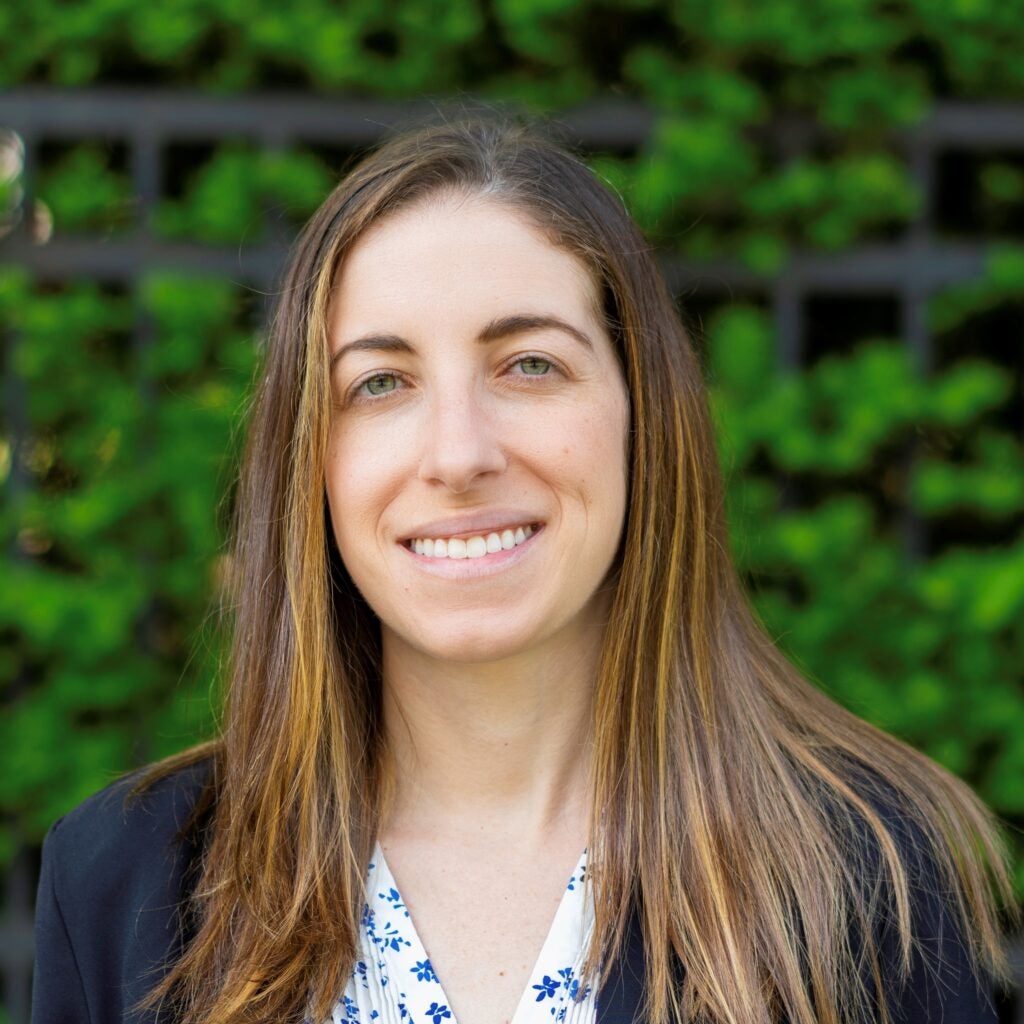
Elena CaseyThe goal of the Casey lab is to understand the transcriptional regulation of a class of genes involved in the formation of the early vertebrate body plan. Patterning events such as the establishment of neural tissues require a series of signal transduction events that lead to the transcription of a set of genes. Few of the details of transcriptional regulation in vertebrate development have been deciphered. However the ability to generate transgenic frogs has revolutionized the field, allowing rapid analysis of promoter function in a large number of embryos. This technique, along with embryology, traditional biochemical and molecular assays, and expression screens now enable us to define the factors required for regulation of genes involved in early vertebrate development.
MORE ON HER RESEARCH...
RESEARCH NEWS FOCUS: ELENA CASEY
The Donoghue Laboratory examines the development of the cerebral cortex, the largest and most complex portion of the mammalian forebrain. A battery of molecular, cellular, biochemical, and organismal approaches is used to examine the forces that shape the proper formation of the cortex. For example, current studies focus on how the proliferation of cells in immature cellular zones is controlled in development so that the mature cortex contains the appropriate number of cells. In addition, once cells have stopped dividing, we are interested in the regulatory programs that control their subsequent differentiation in more mature compartments. Together, we are interested in the coordination of cell genesis and cell differentiation in order to produce an integrated neural structure that has the proper cells present in the proper proportions. Mouse models (mutant, transgenic) are used for examining the function of particular genes in vivo and in vitro.
MORE ON HER RESEARCH...
Giardia lamblia is one of the most prevalent intestinal protozoan pathogens worldwide. In the U.S., infections are most common among campers and children in daycare centers. After ingestion of the infective cyst stage by the host, the parasite differentiates in the lumen of the small intestine and its presence often results in severe gastrointestinal symptoms, including diarrhea, vomiting and weight loss. In addition to its medical importance, Giardia is also a representative of one of the earliest diverging eukaryotic lineages. Our laboratory focuses on two main questions: transcriptional regulation and cytoskeleton control of swimming and attachment behavior.
MORE ON HER RESEARCH...
My research includes three areas of focus in bioinformatics/computational biology, all of which are loosely tied by the underlying theme of molecular evolution. The first area is genome/gene sequence analysis and annotation, which involves applying concepts of molecular evolution to infer function, as well as using bioinformatics approaches to understand genome evolution. The second area is the development of databases that allow others to benefit from our work in genome analysis and annotation. We are developing genome databases for honey bee (BeeBase.org) and cattle (BovineGenome.org).The third area is developing algorithms for better classifying proteins; these algorithms will serve as tools for molecular evolution and annotation.
MORE ON HER RESEARCH...
RESEARCH NEWS FOCUS: CHRIS ELSIK
Research in my laboratory is focused on elucidating the mechanisms that yeast cells use to sense external conditions - such as nutrient abundance and host status - and how these cells alter gene expression in response to these conditions. We are studying expression of the enzymes that comprise the purine nucleotide biosynthetic pathway in Saccharomyces cerevisiae. In Candida albicans, we are investigating how filamentation is controlled at the genetic level.
MORE ON HER RESEARCH...
RESEARCH NEWS FOCUS: RONDA ROLFES
Arf and Arf-like (Arl1) proteins are highly conserved throughout eukaryotic evolution. At present, relatively little is known about the Arl subfamily but evidence from my laboratory and others suggests that one member of this subfamily, Arl1, plays roles in regulation of membrane structure and/or function. Recent evidence also suggests that Arl1 plays a novel role in membrane potential and ion homeostasis. Presently, we are using an approach that combines genetics, biochemistry, and cell biology to study the functions of the Arl family members in the yeast, Saccharomyces cerevisiae. Some of our recent work also involves the use of bioinformatics tools. Presently, the laboratory has two main foci (1) control of intracellular potassium levels and (2) control of nucleotide binding to Arl1.
MORE ON HER RESEARCH...
RESEARCH NEWS FOCUS: ANNE ROSENWALD
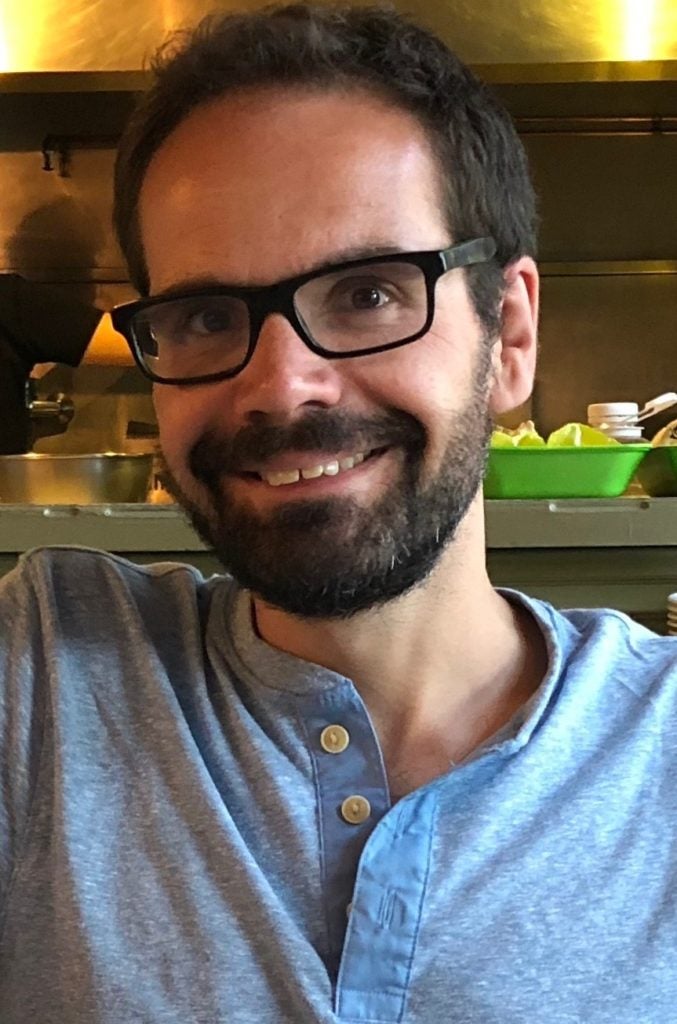
My research all centers on the protozoan parasite Giardia lamblia. Giardia replicates in the small intestines of many species of mammals and is a major cause of human diarrheal disease throughout the world. In the U.S. Giardia infections are mainly found in campers and hikers who forgot to treat their water as well as in day care and nursing home situations. My research area focuses on the host's immune response to the parasite. While both humans and mice produce a strong antibody response during infections with Giardia, we have recently shown that antibodies are not required to control acute infections with this parasite. Instead, CD4+ T cells and the cytokine interleukin-6 (IL-6) are absolutely required. We are interested in determining which cells produce IL-6 during Giardia infections and in determining which cells the IL-6 acts upon and how this leads to resolution of the infection.
MORE ON HIS RESEARCH...
RESEARCH NEWS FOCUS: STEVE SINGER